Private by design. Shared by choice.
Home is who's watching.
A neighborhood kid-tracker for your trusted circle. Nothing public, nothing sold, nothing shared outside the adults you already know.

Scan to download.
Three steps. Nothing clever.
Tag a kid in when they arrive, tag them out when they leave. A soft dashboard shows the rest.
Tap the kid in.
The adult at the trusted house opens KidTag and taps the kid's face. Add a note if you want. That's the whole gesture.
Parents see it, quietly.
A soft notification and a dashboard showing where everyone is right now, based on the last tag from a trusted adult. Just enough to settle the question of "where did they end up?"
A day's worth of quiet.
Tap any kid to see a simple log of the day. Tagged in, tagged out, by whom, and the occasional note. No heat maps. No breadcrumbs.
A tracker that quietly refuses to be a surveillance tool.
KidTag is built around one small idea: nothing you share leaves your trusted circle. Encrypted in transit, encrypted at rest, and visible only to the households you've invited.
Encrypted in transit & at rest. Visible only to the households you've invited.
Both households have to say yes.
You invite a trusted household two ways: scan a QR code in person, or send an invite to their phone number. Either way, nothing connects until the other household taps accept on their phone. No public discovery, no auto-add, no strangers slipping in.
Your kid's info stays locked down.
Names, tag notes, allergies, home addresses. All of it travels over TLS 1.2+ and sits encrypted at rest in Firebase, with Google-managed keys. Firestore rules make sure only your household, plus the households you've explicitly trusted, can read your records. Photos get an extra encryption layer on top of that in Firebase Storage.
We don't sell your data. Not to anyone.
The free tier shows generic ads. Random like roadside billboards, not built from anything about you. Paid households don't see ads at all. Either way, we don't sell data, don't feed brokers, and don't call anyone a "partner."
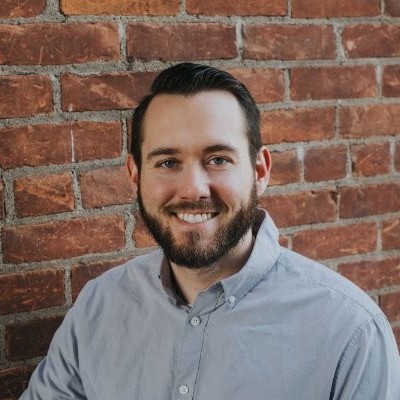
I built KidTag so that kindness could show up in one small, shared place. When Beck's mom taps my son in at her house, I see it; when he heads home, I see that too. No group text archaeology, no strangers, no ad business in the background. Just the adults who already love these kids, quietly letting each other know they made it, they're here, they're on their way. It's the oldest idea in the world, wrapped in a little bit of software: home is who's watching. I'm building this for my boys, and for your kids too.
What KidTag is. And isn't.
What KidTag is.
- A private tag-in/tag-out book for a small, trusted circle of families.
- Household-scoped. No public discovery.
- A soft notification when your kid is tagged in or out of a trusted home.
- A simple activity log so the grown-ups know the rough shape of the day.
- Free for families who want it, with generic, untargeted ads. One small yearly fee removes them.
What KidTag isn't.
- A public tracker. Nothing you share is visible outside your trusted circle. No public discovery, no neighborhood feed.
- A social network. There are no strangers, no feeds, no public profiles.
- An ad-targeted data business. Free-tier ads are random and untargeted. Your data is never the product.
- A school-wide or neighborhood-wide app. It's for your two-to-six trusted households.
- A surveillance tool for ex-partners, in-laws, or anyone your circle doesn't invite.
Quiet software for the people you trust.
KidTag is on the App Store now. Android is next. If you're on Android, leave your email below and I'll send you exactly one note, the day it's ready.